Friday, July 20, 2012

Aalsmeer flower auction

As Opa & Oma live in Aalsmeer a visit to the flower auction was well over due. And not just any auction! This is the largest flower auction in the world. The auction building is the 5th largest building in the world, in terms of floor space. The turnover in 2011 was almost 1.1 billion euros.
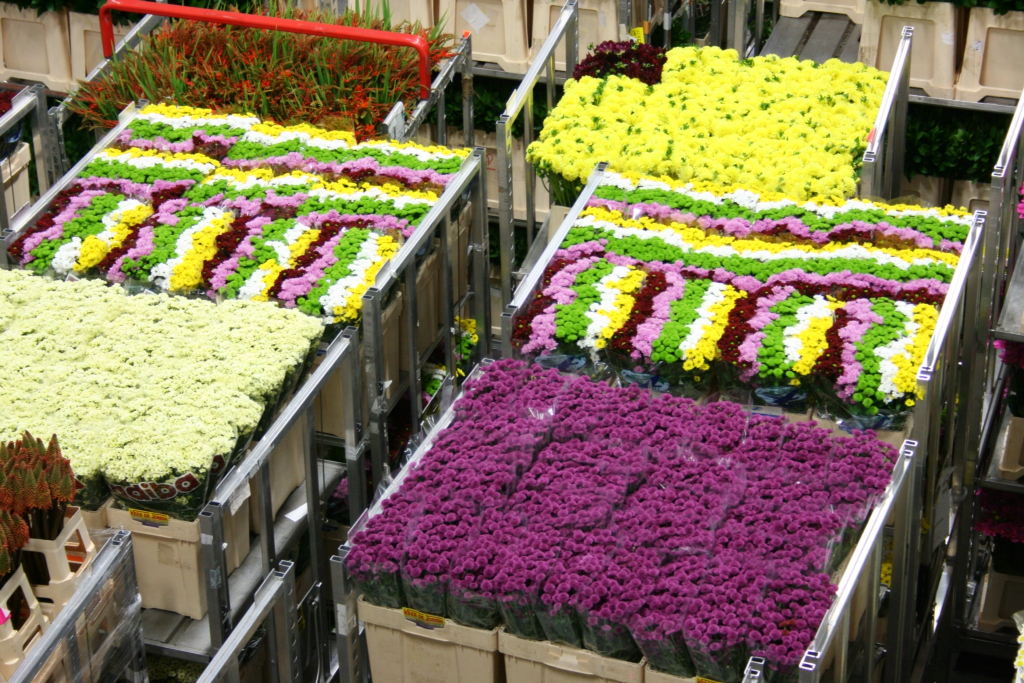
The auction is set up as a Dutch auction in which the price starts high and works its way down. Bidders get only a few seconds to bid on the flowers before they are shipped off to the new owner's business.

Some facts:


And just for your information, the most popular flowers in 2011 :)

Thursday, July 19, 2012

Marc & Famke

Not the best quality picture but love it so much I wanted to post anyway :)

Sunday, July 8, 2012

Hunebedden in Drenthe

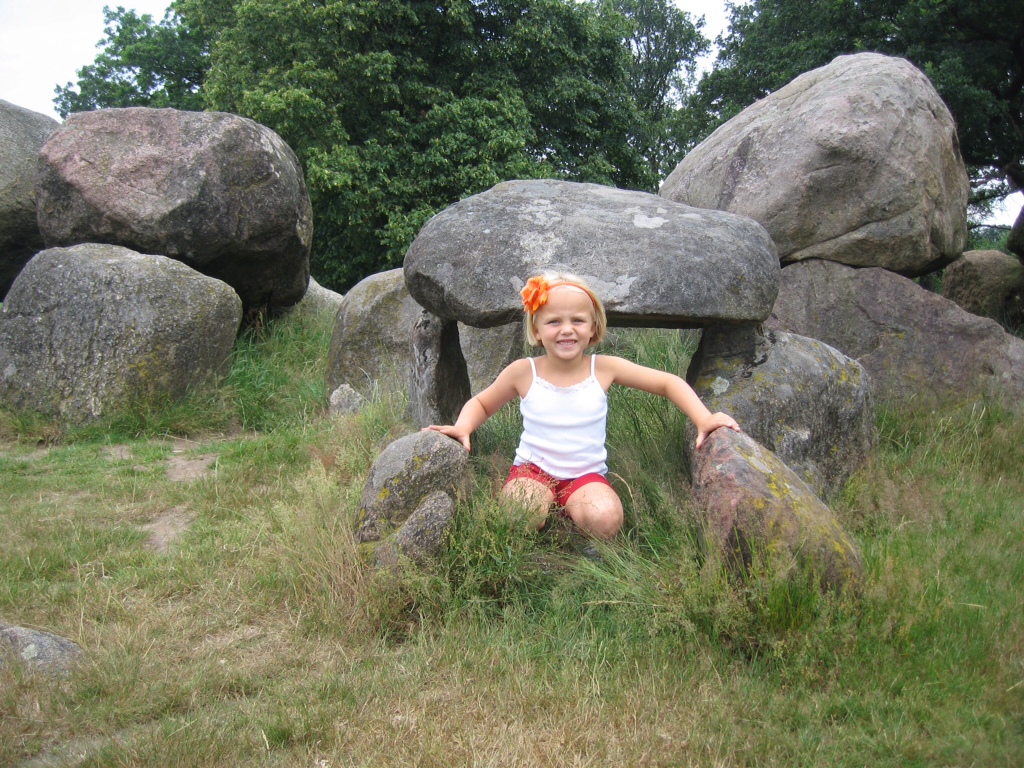
One of the most typical things in the province Drenthe (this is where poezeoma lives) are the 'hunebedden'. So on a not so sunny Sunday morning we visited two of these very old monuments.

Some history from the website www.hunebedden.nl

Everyone has heard of Stonehenge in England and dolmens and menhirs in France. But who knows of even older and more numerous megalithes in The Netherlands? They are there for over 5000 years. Older than the Egyptian pyramids! Built of huge granite stones, some of them weighing over 25,000 kilograms, dragged to the spot and piled up to form a rectangular stonegrave.

There are still 54 of them. 52 in the province of Drenthe and 2 in the adjacent province of Groningen. "Hunebedden" as they are called in this country. But not built by Hunen (or huynen = giants) and not beds but graves as we know now. So Drenthe, in the northern part of the country, is the hunebedden-province. It's a province of outstanding beauty with sanddunes, woods, moors, heather, picturesque villages, 200 years old farmhouses with thatched roofs. And mysterious stonegraves..!

In Drenthe there are no mountains or rocks. But hunebedden are made of huge stones. Where did they come from..? The answer is: from Scandinavia. About 200,000 years ago, during an ice-period, most of northern Europe including our country was covered by a thick layer of ice. The big boulders of which the hunebedden are made of have been transported to The Netherlands by slow moving ice-glaciers. Even today, digging in Drenthe's soil, smaller and bigger stones emerge.

About 4000 BC the hunters that visited Drenthe before, changed their culture and lifestyle radically. They learned to grow wheat, to domesticate cattle and to build farmhouses. They settled here as the first farmers in the region. Archaeologists call this period the Neolithics or New Stone Age. This did not happen only here but also in the south of Sweden, in Denmark and the northwest of Germany. These farmers cut the woods with stone axes and cultivated the arable land. About 3450 BC they started building huge stonegraves using the big boulders that were scattered all over the place. They also made all sorts of earthenware, many of them in the form of a funnel. Because of that archaeologists say this people belong to The Funnel Beaker Culture.


Thursday, July 5, 2012

Sheep

While visiting poezeoma, the weather was nice enough for a bike ride. On our (a bit longer than planned) ride we came across this herd of sheep, their dog and shepherd.

We stopped to pet the dog and talk to the shepherd. To our surprise he told us the herd consisted of 200 sheep! He told us that Jim, the dog, was able to keep track of up to 500 sheep!

The sheep help to maintain the local landscape (read living lawnmowers) and also to spread the different species of plants.

Tuesday, July 3, 2012

Afsluitdijk

The Afsluitdijk (Dutch pronunciation: [ˈɑf.slœy̆.ˌdɛi̯k], Frisian: Ofslútdyk; English: Enclosure Dam) is a major causeway in the Netherlands, constructed between 1927 and 1933 and running from Den Oever on Wieringen in North Holland province, to the village of Zurich in Friesland province, over a length of 32 kilometres (20 mi) and a width of 90 m, at an initial height of 7.25 m above sea-level.

It is a fundamental part of the larger Zuiderzee Works, damming off the Zuiderzee, a salt water inlet of the North Sea, and turning it into the fresh water lake of the IJsselmeer. Its main purposes are to improve flood protection and create additional land for agriculture

I found this incredible satellite image on Wikipedia.

On our way to 'poezeoma' we drove over the Afsluitdijk and as a good mum :) I stopped half way to educate my children on this amazing engineering project. They need to learn that we Dutch are the best in the world when it comes to 'fighting the water'.


Of course this moment had to be captured :)

Dubai reunion on the Dutch coast

Three friends and 7 kids in two 'beach houses'. How nice to see each other again and catch up.

It was one of the few nice days we have had this summer and we had a lovely dinner on the beach. Marlies, Thera and I were able to chat while the kids played in the sand. Great afternoon and evening!


Monday, July 2, 2012

Wind park in sea

While enjoying dinner on the beach in Holland (a memorable fact in itself) our view was of the princess Amalia windpark.

The opinions vary greatly but I think it is quite an amazing sight. I did some further research and found the following facts.

  • The park is located 23 km from the coast
  • it consists of 60 wind turbines
  • It cost €390 million to build
  • It generates green electricity for 125.000 households
  • It is fully functional 98% of the time

and here two more pictures taken from the official website: http://www.prinsesamaliawindpark.eu/nl/index.asp